Sensitive or ’embarrassing’ health conditions like haemorrhoids, hair loss, urinary incontinence, or erectile dysfunction can be difficult to talk about – even with your doctor.
Here’s a look at some health conditions that some people may find difficult to discuss:
Haemorrhoids, also called piles, are swollen veins in the lower rectum and anus. Most haemorrhoids can be treated with lifestyle changes such as drinking more water, increasing dietary fibre and exercising more often. Topical creams can help with pain and swelling, and in severe cases, your doctor may recommend what is usually a relatively simple procedure to remove them.
Erectile dysfunction means struggling to get or maintain an erection firm enough to have sexual intercourse. It’s normal occasionally, but if it becomes more frequent, it can be a sign of diabetes, heart problems, or hypertension.
Once your doctor has ruled out other factors, medications like Viagra could help, which relaxes the muscles around the penis, increasing blood flow, and making it easier to get an erection.
Erectile dysfunction means struggling to get or maintain an erection firm enough to have sexual intercourse. It’s normal occasionally, but if it becomes more frequent, it can be a sign of diabetes, heart problems, or hypertension.
Once your doctor has ruled out other factors, medications like Viagra could help, which relaxes the muscles around the penis, increasing blood flow, and making it easier to get an erection.
Thinning hair and bald patches, which affects both men and women, can influence many people’s self-confidence.
Hair loss can be caused by aging, genetics, a health condition or even certain medications. Some thinning is inevitable as you age, but medication can help slow or stop this type of loss.
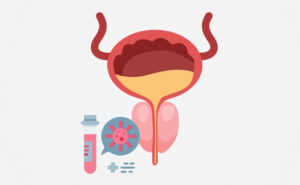
Pregnancy and childbirth can weaken the muscles around the bladder and cause incontinence in some women. In men, incontinence is often linked with an enlarged prostate, which can be a sign of prostate cancer. Treatment can involve lifestyle changes, exercises, prescription medication or surgery.
Everyone is different, but as a very general rule – three days or more without a bowel movement is starting to be a bit long.
Drinking more fluids, increasing dietary fibre, and exercising more are often enough to relieve constipation. If these changes don’t help, your doctor may recommend a gentle laxative, or send you for further testing.
It’s important to get past any feeling of awkwardness you may have and seek help anyway. Many of these conditions can be treated, and some could even be important signs or flags of more serious underlying issues that need to be checked out.
Don’t waste your time feeling embarrassed – your doctor or pharmacist won’t be – they discuss these conditions every day of the week with other people, just like you.
Written by Paul Taylor
Paul Taylor is a New Zealand–based healthcare content writer with 5+ years’ experience creating patient friendly articles for online pharmacies and health platforms. He specialises in accessible condition guides, prescription FAQs, OTC advice, and health & wellbeing tips, translating complex medicines or health condition information into clear, actionable content. Paul collaborates with the ZOOM Pharmacy clinical team and bases every article on authoritative sources, peer reviewed journals and national clinical guidelines to ensure evidence based, up to date content. His goal is to help readers feel empowered to make informed decisions about their medicines and wellbeing. This content is general information only and does not replace professional medical advice.