Pain can have many causes and when we get it, we naturally want to treat it effectively. When looking to treat pain at home using over-the-counter medicines, many New Zealanders are faced with a choice – “should I take paracetamol or ibuprofen?” In this article we help you learn about paracetamol vs ibuprofen so you can make an informed choice next time you need to treat your pain.
Paracetamol and ibuprofen are two of the most common pain relief medicines in New Zealand. It is not uncommon for people to use paracetamol and ibuprofen interchangeably without much consideration if one is more appropriate than the other. However, paracetamol and ibuprofen are not the same medicine and there are important differences to understand.
Paracetamol and ibuprofen are both common medicines, frequently used to treat mild to moderate pain. The primary difference between the two medicines is that ibuprofen reduces inflammation whereas paracetamol doesn’t.
Paracetamol blocks pain signals in the nervous system, while ibuprofen reduces the production of prostaglandins that cause inflammation and pain.
The choice to take ibuprofen or paracetamol depends on what kind of pain you’re trying to treat. If you are trying to treat mild to moderate pain or a fever, paracetamol is often the first choice due to its limited side effects. When inflammation, swelling, joint pain, or muscle tension is involved, ibuprofen may be the better option.
During pregnancy, paracetamol is generally considered the first-choice pain relief option. Make sure to speak to your doctor or pharmacist about dose limits. If you are pregnant and need pain relief often, speak with your midwife, doctor or pharmacist.
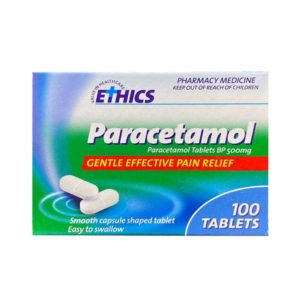
Paracetamol is often the first choice for people with pain and fever. It’s often considered a good option for mild to moderate pain. In New Zealand, paracetamol is sold under both medicine name (paracetamol) and brand names such as Panadol®.
Paracetamol may be used for:
Paracetamol is commonly available in two strengths: 500mg and 665mg. It is also found in combination with other medicines in some products, including cold and flu medicines.
Always follow the dose on the packet or the instructions from your pharmacist or doctor. Do not take more than the recommended daily amount.
When taken as directed, paracetamol is usually well tolerated and known to have very few side effects – this is one of the reasons it’s so widely used. However, taking too much paracetamol is dangerous.
The main risk with paracetamol is liver damage, especially if:
If you think you or someone else has taken too much paracetamol, do not wait for symptoms. call your healthcare provider or the Poisons Centre 0800 POISON (0800 764 766) immediately.
It is important to not wait for signs of an overdose, as these appear after the damage to your liver has already happened. These symptoms or signs can include:
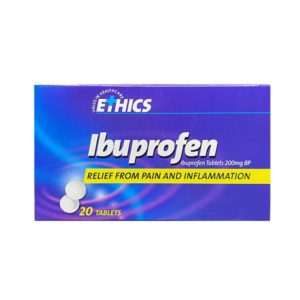
Ibuprofen is a pain relief medicine that belongs to a group called non-steroidal anti-inflammatory drugs (NSAIDs).
Ibuprofen is also used for pain and fever. It does also have an anti-inflammatory effect, meaning it may be more useful than paracetamol for pain caused by swelling or inflammation.
It is often recommended ibuprofen taken be with or after food, to help reduce the chance of stomach irritation. This is especially important if you are older, have a sensitive stomach, or need to take ibuprofen for more than one dose.
Common uses for ibuprofen include the management or treatment of:
Ibuprofen is available in many forms in New Zealand, including capsules, immediate-release tablets, slow-release tablets, liquid suspension, topical gels, and patches.
Some common brand names for ibuprofen products include Nurofen®, Advil®, and Fenpaed®.
Ibuprofen is usually taken with or after food to reduce stomach irritation.
Ibuprofen is effective for many types of pain, but it is not suitable for everyone. For some people ibuprofen can also have side effects, it’s one of the reasons paracetamols is often the first choice for mild to moderate pain.
Possible side effects of ibuprofen may include:
Ibuprofen is effective for many types of pain, but it is not suitable for everyone. Ibuprofen may not be suitable if you:
If you are taking several regular medicines, ask your pharmacist before using ibuprofen.
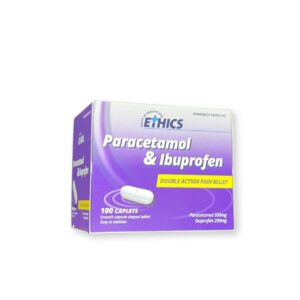
Yes, you can take paracetamol and ibuprofen together. Because the are processed differently by the body. Some products combined paracetamol and ibuprofen together. If you are taking the medicines separately, alternating doses may help provide more steady relief.
Always read the label and follow directions for use. Do not exceed the recommended dose of either medicine.
Written by Paul Taylor