

Have you ever suddenly become more aware of your heartbeat? With heart palpitations you may feel like your heart has skipped a beat, is pounding, fluttering, or even racing. In this article, we explain what heart palpitations feel like, the common causes, how they are treated and when to seek help.
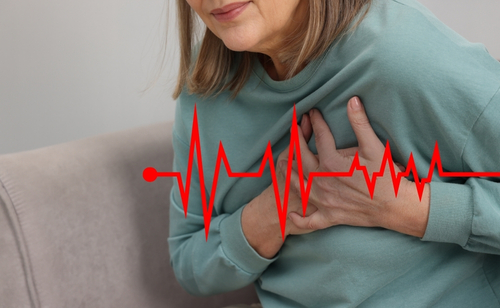
Heart palpitations are an increased awareness of your own heartbeat. This increased awareness of your heart may be unpleasant or disconcerting. Heart palpitations (or just “palpitations”) are a symptom, not a condition, and describe what you feel. Palpitations can happen while you are active or resting and may last from seconds to minutes or longer.
The primary symptom of heart palpitations is the feeling that your heartbeat is unusual, or more noticeable than normal. People can experience heart palpitations in different ways. You may feel like your heart is:
Some people have palpitations without any other symptoms. Others may also experience anxiety, sweating, dizziness, tiredness or breathlessness, depending on causes.
There are many possible causes of heart palpitations. Some common causes include:
Heart palpitations are often associated with anxiety-related causes. Strong emotions such as stress, anxiety, and panic attacks are common triggers of heart palpitations. Stress hormones can cause your heart to beat faster or more forcefully, and anxiety can make you more aware of heartbeat changes.
There are a variety of lifestyle factors that may cause heart palpitations, which may include: smoking, caffeine, alcohol, lack of sleep, dehydration, strenuous exercise, and rich or spicy food consumption.
Hormonal changes can trigger palpitations. People may notice them during pregnancy, around menstruation, during menopause or because of thyroid dysfunction.
Several prescription and over the counter medicines can cause heart palpitations. If you believe a medicine you are taking might be causing palpitations, speak to your prescriber or pharmacist. Do not stop taking any medicine before you have had medical advice.
Certain medical conditions (in addition to heart conditions) can cause palpitations, these can include low blood sugar, low blood pressure, anaemia, thyroid disfunction, dehydration, or fever.
Heart palpitations can also be linked to heart rhythm problems or a wide range of other heart conditions. These heart conditions can include heart valve disease, cardiomyopathy, heart failure, or congenital heart disease.
Palpitations can also result from arrhythmia, which refers to an abnormal heartbeat caused by a problem with the electrical signals that coordinate the heart muscles.
If you are experiencing heart palpitations your doctor will likely ask:
They may also carry out a physical exam and look at your medical history. You may also be asked to do an electrocardiogram to measure your heart’s electrical activity.
Depending on symptoms you may also be asked to do blood tests or wear an event monitor at home.
Treatment of heart palpitations depends on the cause. Many palpitations do not need specific treatment. In some cases, treatment options may be available.
Depending on what is causing you heart palpitations, you may be able to reduce your palpitations by managing triggers. These tips might help you, especially if your palpitations are caused by emotional factors or lifestyle triggers.
Heart palpitations are usually not serious and will pass quickly, but it’s always worth speaking to your healthcare provider if you are concerned, if you have a history of heart disease, the palpitations keep coming back, or are becoming more frequent.
Seek urgent medical attention if heart palpitations occur and do not settle, or if they occur with:
Many people experience heart palpitations. They are often caused by anxiety, stress, caffeine, alcohol, nicotine, poor sleep, exercise, hormonal changes, dehydration, medicines or supplements. It is a sensation of increased awareness of your heartbeat. They can feel like a racing, pounding, fluttering, skipped or irregular heartbeat.
Heart palpitations are most often not serious but can be caused by arrhythmias or other heart conditions that need treatment.
Our service is designed to make managing multiple medicines easy. Our Monthly Medicines Service is free to eligible patients taking three or more regular medicines.





Written by Paul Taylor
Paul Taylor is a New Zealand–based healthcare content writer with 5+ years’ experience creating patient friendly articles for online pharmacies and health platforms. He specialises in accessible condition guides, prescription FAQs, OTC advice, and health & wellbeing tips, translating complex medicines or health condition information into clear, actionable content. Paul collaborates with the ZOOM Pharmacy clinical team and bases every article on authoritative sources, peer reviewed journals and national clinical guidelines to ensure evidence based, up to date content. His goal is to help readers feel empowered to make informed decisions about their medicines and wellbeing. This content is general information only and does not replace professional medical advice.