

It is estimated that 20-25% of New Zealand adults are living with prediabetes.1,2,3 For many people, prediabetes is invisible, with no obvious symptoms. Prediabetes shouldn’t be ignored, it puts you at a higher risk of type 2 diabetes, heart disease, and heart failure.
A new long-term analysis has suggested people with prediabetes who got their blood sugar back into the normal range and achieved remission had significant heart health benefits.4
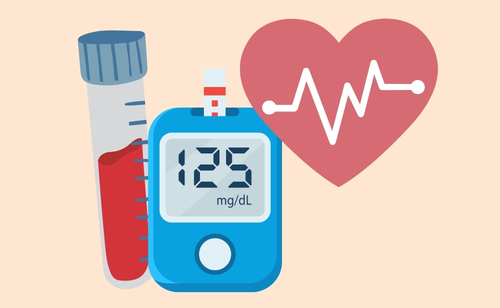
Prediabetes is the condition where the amount of sugar in your blood (blood glucose level) is higher than normal, but not high enough to be diagnosed as diabetes.
Prediabetes occurs when the body becomes less sensitive to insulin (insulin resistance). Insulin is a hormone used to transport glucose out of the blood and into your cells, where it can be used for energy. When this happens, unused glucose stays in the bloodstream – increasing your blood glucose levels.
A blood test called an HbA1c test is used to measure your blood glucose levels over time (3 months). Current Aotearoa New Zealand guidance describes the prediabetes HbA1c range as 42–47 mmol/mol, and diabetes as 48 mmol/mol or above.
Prediabetes is often described as having high blood glucose levels, but not high enough to be diabetes, meaning some people choose to ignore it. It’s important to understand that this doesn’t mean it isn’t a serious health condition.
If left untreated prediabetes can lead to poor health outcomes. Prediabetes gives you a profoundly higher risk of type 2 diabetes. Plus, even if you never progress to type 2 diabetes, it also increases your risk of other serious health conditions including cardiovascular disease, chronic kidney disease, and fatty liver disease.
The study published in The Lancet Diabetes & Endocrinology looked at whether people with prediabetes who returned their blood sugar to the normal range had better long-term heart health outcomes than people who did not.4
The researchers analysed data from two major diabetes prevention studies which followed people over decades: US Diabetes Prevention Program Outcomes Study (DPPOS) and the Chinese DaQing Diabetes Prevention Outcomes Study (DaQingDPOS).
The researchers looked at whether participants with prediabetes reached “prediabetes remission”, meaning blood sugar levels returning to a normal range. It is important to note that remission is not permanent, and blood sugar levels can rise again.
They then looked at whether remission was linked to lower risk of cardiovascular morbidity or mortality. Cardiovascular morbidity is the rate of, or burden of diseases and conditions affecting the heart and blood vessels (non-fatal). Cardiovascular mortality refers to deaths resulting from cardiovascular diseases (of the heart or blood vessels).
The study found that achieving prediabetes remission in both diabetes prevention trials was associated with substantially lower risk of cardiovascular morbidity and mortality.4 The study found that normalising blood glucose levels was associated with a more than 50% reduction in risk of cardiovascular death or hospitalisation due to heart failure.
The study also found that people who reversed prediabetes had a 42% lower risk of heart attack, stroke, and other major cardiovascular events.
The findings emerged during the decades-long follow-up after active intervention had been concluded, which suggests a strong legacy effect of remission. The findings were consistent across both the US and Chinese study populations. Meaning that participants who successfully returned their blood sugar levels to within the normal range experienced significant cardiovascular benefits.
Historically, people with prediabetes have been encouraged to make lifestyle changes including increased exercise, losing weight, and healthier diets.
Earlier analysis of the same study populations (DPPOS and DaQingDPOS) looked at the impact of combined lifestyle interventions like these on cardiovascular disease risk. They found that making these changes did not significantly reduce cardiovascular disease risk.
This new research suggests that the key factor to produce substantial cardiovascular benefits may be whether lifestyle changes lead to normalisation of blood glucose levels. The study suggests that helping people with prediabetes get their blood sugar back into the normal range may be another way to reduce their future risk of type 2 diabetes and heart disease.
Prediabetes is common, often symptomless, and easy to put to one side. But it can be a warning sign of future health risks.
This study provides an encouraging message that getting your blood glucose levels back to a normal level may be linked with long-term health benefits, reducing your risk of both type 2 diabetes and cardiovascular disease.
Resources:
Our service is designed to make managing multiple medicines easy. Our Monthly Medicines Service is free to eligible patients taking three or more regular medicines.






Written by Paul Taylor
Paul Taylor is a New Zealand–based healthcare content writer with 5+ years’ experience creating patient friendly articles for online pharmacies and health platforms. He specialises in accessible condition guides, prescription FAQs, OTC advice, and health & wellbeing tips, translating complex medicines or health condition information into clear, actionable content. Paul collaborates with the ZOOM Pharmacy clinical team and bases every article on authoritative sources, peer reviewed journals and national clinical guidelines to ensure evidence based, up to date content. His goal is to help readers feel empowered to make informed decisions about their medicines and wellbeing. This content is general information only and does not replace professional medical advice.