The Most Common Blood Test in NZ

A Full Blood Count (FBC), otherwise known as the Complete Blood Count (CBC), is the most common blood test requested in New Zealand. This test provides important information about the kinds and numbers of cells in your blood. It is used to check your general health and to help diagnose and monitor a variety of conditions and treatments.

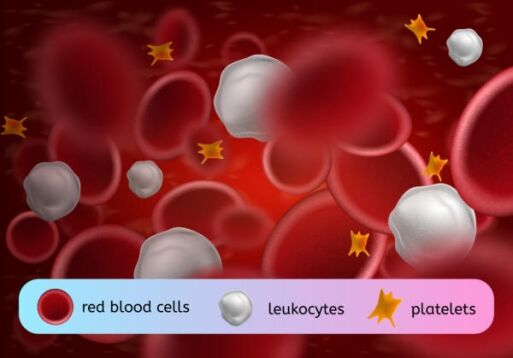
Your blood is made up of red blood cells, white blood cells or leukocytes, platelets and plasma.


Results of an FBC or CBC tect give information about the 3 main types of cells contained in your blood: red blood cell, white blood cells and platelets. This test is important for diagnosing conditions in which the number of blood cells is abnormally high or abnormally low, or the cells themselves are abnormal.

Blood test terminology

Red blood cells

Haemoglobin is found in your red blood cells and it carries oxygen around your body.

Haematocrit is the proportion of your blood made up of red blood cells.

Mean Cell Volume (MCV) measures the size of your red blood cells.

Mean Cell Haematocrit (MCH) is the average amount of haemoglobin in each red blood cell.

Platelets

Platelets form the part of your blood that helps to make clots if you cut yourself or are injured.

White blood cells / leukocytes

Your white blood cell (WBC) count shows the total number of white blood cells in your blood. Neutrophils, lymphocytes, monocytes, eosinophils and basophils are all different types of white blood cells or leukocytes. They form part of your immune system, and each fights off different kinds of infections.

Resources:

  • Healthify NZ | Full blood count (FBC) – in-depth information [external link]
  • Health NZ | Understanding your complete blood count results [external link]

Taking multiple medicines? Our Monthly Medicines Service is free

Our service is designed to make managing multiple medicines easy. Our Monthly Medicines Service is free to eligible patients taking three or more regular medicines.

0