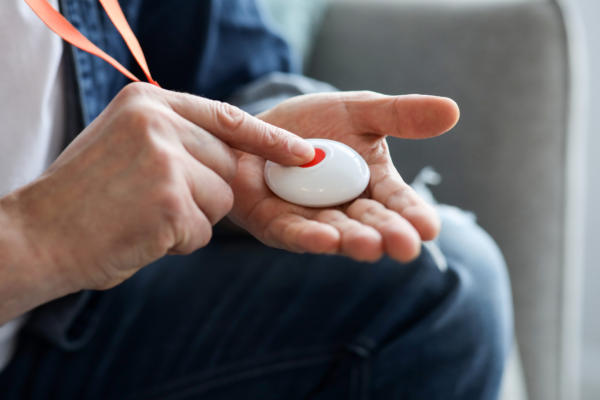
Personal medical alarms have two parts – a base unit connected to the network – and a pendant that can be worn as a wrist band or necklace. What medical alarm suits you best, depends on your lifestyle, and who pays.
To activate the alarm, simply press a button on the pendant, which then triggers the base unit to contact the monitoring service. The maximum range between the pendant and base unit can be either within your home ie house and garden, or can extend beyond your home if you are active and leave home often.
When you activate your medical alarm, your medical alarm provider will then try to contact you. If you do not answer, depending on the medical alarm supplier, it will send an ambulance to your home, or contact a family member or neighbour from a list that you have already provided.
The government pays for the weekly cost of your medical alarm service if you have:
The help you get from the government will depend on your personal circumstances, for example, your income and assets.
One of the biggest and most well known suppliers of medical alarms is St John, but there are other options available to consider. It will depend on your circumstances as to what is the best fit for you, or your loved one.
Many people get their alarm from a supplier accredited by the Ministry of Social Development (MSD). This means the supplier:
When you sign up, the supplier must give you a contract that gives details of their services and their complaints process.
The help you get from the government will depend on your personal circumstances, for example, your income and assets.
Your SuperGold Card may assist in you receiving discounts from selected medical alarm suppliers in some parts of the country, if you are not eligible for funding and need to buy an alarm yourself.
Further Reading:
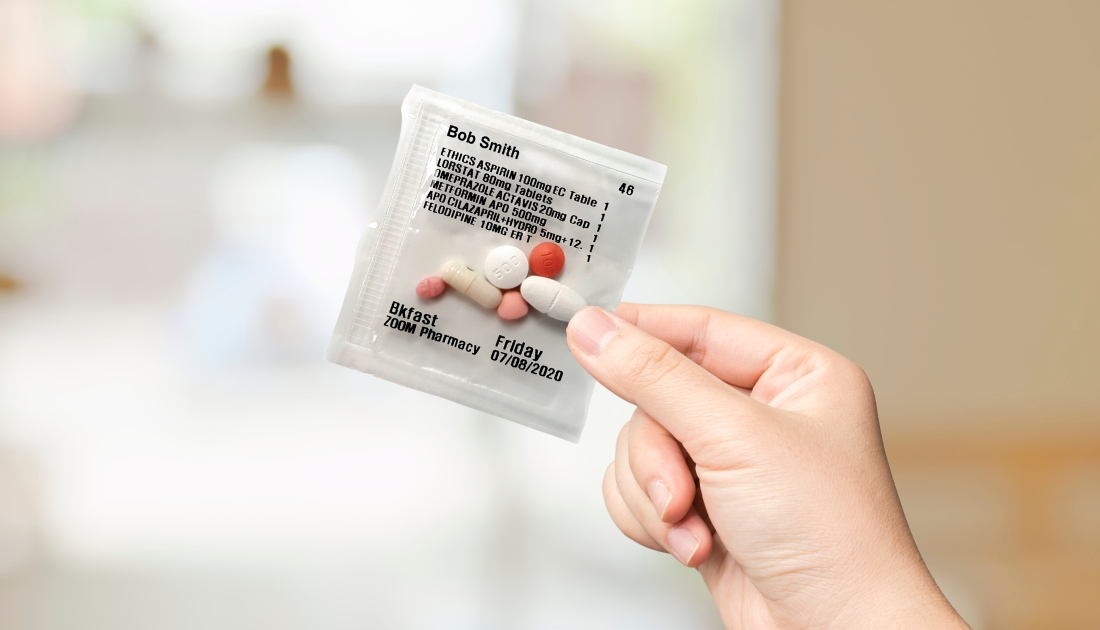
Our service is designed to make managing multiple medicines easy. Our Monthly Medicines Service is free to eligible patients taking three or more regular medicines.
Written by Paul Taylor
Paul Taylor is a New Zealand–based healthcare content writer with 5+ years’ experience creating patient friendly articles for online pharmacies and health platforms. He specialises in accessible condition guides, prescription FAQs, OTC advice, and health & wellbeing tips, translating complex medicines or health condition information into clear, actionable content. Paul collaborates with the ZOOM Pharmacy clinical team and bases every article on authoritative sources, peer reviewed journals and national clinical guidelines to ensure evidence based, up to date content. His goal is to help readers feel empowered to make informed decisions about their medicines and wellbeing. This content is general information only and does not replace professional medical advice.