Why Vitamin D Testing Matters After Winter, Especially If You’re Over 50

It is estimated that almost one-in-three New Zealander’s have vitamin D levels below the optimal range.1 Studies also show that at the end of winter our vitamin D levels are at an all-time low. A large Australian study found that 36% of people were vitamin D deficient at the end of winter.2 Low vitamin D levels have been linked to bone loss, muscle weakness, cognitive issues, and more. In this article we will look at the key information on vitamin D, how to test your levels, and treatment options.

Why should I care about vitamin D levels?

Vitamin D is known to affect how our body functions, and it may also be linked to a variety of health conditions. Vitamin D is important across all age groups. It is commonly known for its role in maintaining healthy bones, but it’s much more than that. Calcium and phosphorus are minerals that play essential roles in several vital physiological processes.


Vitamin D is needed to both absorb these minerals and to use them. This means that vitamin D has a direct influence on your bones, muscles, joints and tissues. Deficiency of vitamin D, especially in older people, has been linked to osteoporosis, osteomalacia (soft bones), hypocalcemia (low calcium), and dental issues (lack of enamel, cavities). Research has also found a relationship between vitamin D deficiency and musculoskeletal injuries to the lower extremities, including injuries to cartilage, muscles, tendons, and ligaments.3


There has also been growing discussion and research into the connection to non-musculoskeletal conditions such as cancer, autoimmune diseases, diabetes, multiple sclerosis and cardiovascular disease, however evidence is mixed at this stage.

How do I test my vitamin D levels?

To know if you have enough vitamin D you need to either buy an at-home test kit or request a vitamin D blood test to be done at a lab.


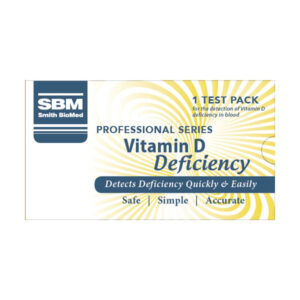
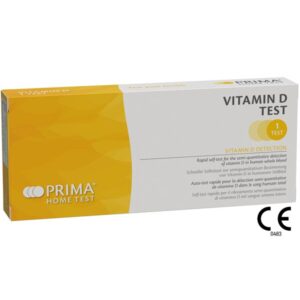
At-home vitamin D tests are an easy first step if you are interested in finding out your vitamin D status. They can be purchased online from ZOOM Pharmacy and will be delivered directly to your door. These tests are fast and convenient, giving you an indication of your vitamin D status in the comfort of your home.


Tip: At-home tests can be great when access is difficult. If you want help interpreting your result, get in touch with our team via – help@zoompharmacy.co.nz


Lab tests are available through your healthcare provider, who can request a vitamin D blood test from a lab. These tests are typically not funded, so it is likely there will be a cost. These tests are more accurate than at-home tests and your healthcare provider will help you understand your results.

Why test vitamin D after winter?

As mentioned at the start of this article, the data shows that vitamin D is often at its lowest level following winter. Analysis of vitamin D data from the New Zealand Adult Nutrition Survey (Ministry of Health, 2012) showed that there were strong seasonal differences, with people far more likely to be deficient in late winter to early spring.

What are target vitamin D levels?

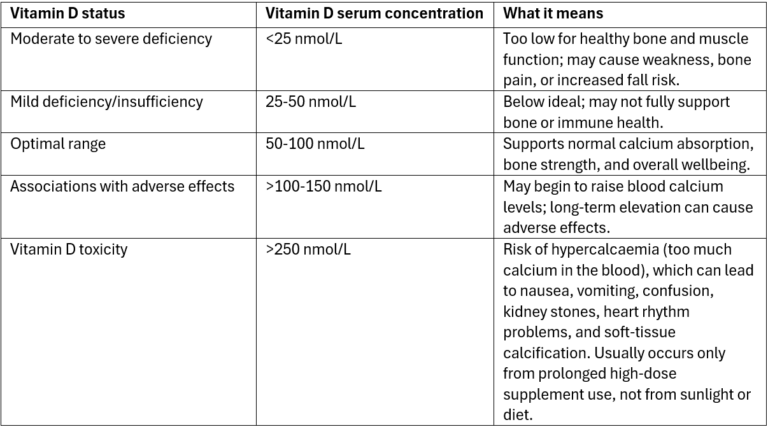
Recommendations for vitamin D levels vary internationally, and by age group. In New Zealand we measure vitamin D using Nanomoles per litre (nmol/L) as the unit. You may also see Nanograms per millilitre (ng/mL) used in other countries. Here are some ranges of vitamin D serum concentrations and what they mean for you.

How do I get more vitamin D?

There are 3 primary ways to increase your vitamin D blood levels, lets cover them:


Vitamin D from safe sun exposure: In New Zealand we get plenty of sun, especially in the summer months – with high UVB levels. This means most people can meet their daily vitamin D requirements by being in the sun, however the time depends on a variety of factors: season, age, location, skin type, etc.


Simply by getting direct sun exposure to the face, arms, and legs for around 5 to 10 minutes near midday, is enough time – if your skin is darker this can take longer, up to three times more time may be required.


Vitamin D from diet: The best sources of vitamin D you can include in your diet are:

  • Oily fish like salmon, sardines, mackerel, etc.
  • Foods that are fortified with vitamin D (certain milk, yoghurt, and spreads).
  • Full-fat milk and butter.
  • Egg yolks, especially from free range chickens.


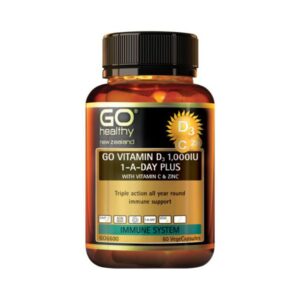
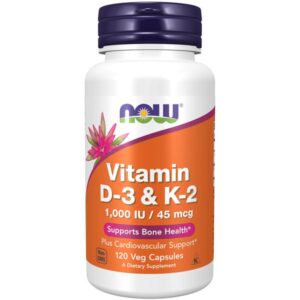
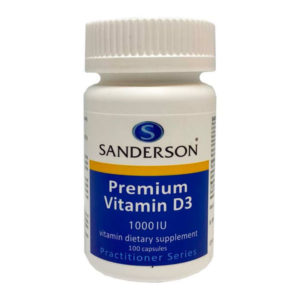
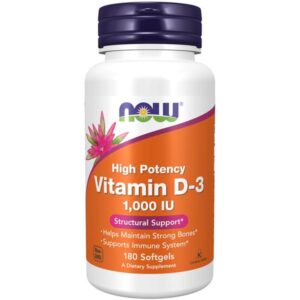
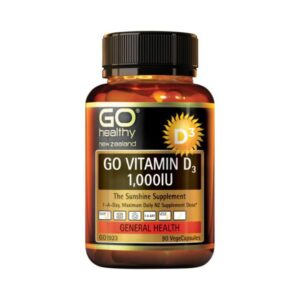
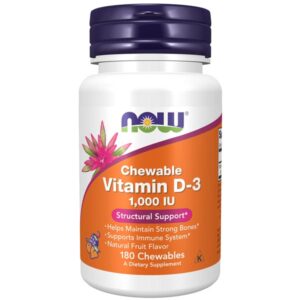
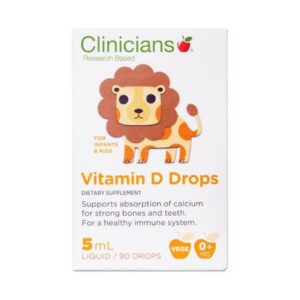
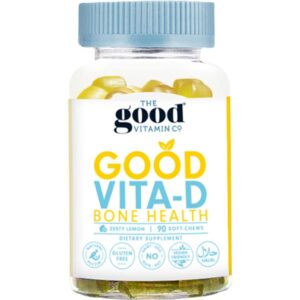
Vitamin D supplementation: If you are vitamin D deficient or at risk then vitamin D supplementation may be an option for you. Non-prescription vitamin D supplements are available to purchase online with ZOOM Pharmacy. 400 IU (10 micrograms) is the recommended daily amount of vitamin D. Don’t take more than 4,000 IU of vitamin D a day (100 micrograms), as it could be harmful.


The prescription vitamin D supplement colecalciferol may be appropriate if you’re in a higher risk group. Because vitamin D stays in the body for a while, it is usually taken monthly. Speak to your pharmacist if this could be right for you.

Read More:

Vitamin D: Deficiency and Fall-Related Injuries – ZOOM Pharmacy

Vitamin D & Sunshine – ZOOM Pharmacy


References:

    1. Ministry of Health. Vitamin D Status of New Zealand Adults. Available from: https://www.health.govt.nz/publications/vitamin-d-status-of-new-zealand-adults (Accessed Oct, 2025)
    2. Nowson CA, McGrath JJ, Ebeling PR, Haikerwal A, Daly RM, Sanders KM, Seibel MJ, Mason RS; Working Group of Australian and New Zealand Bone and Mineral Society, Endocrine Society of Australia and Osteoporosis Australia. Vitamin D and health in adults in Australia and New Zealand: a position statement. Med J Aust. 2012 Jun 18;196(11):686-7. doi: 10.5694/mja11.10301. PMID: 22708765.
    3. Ammerman BM, Ling D, Callahan LR, Hannafin JA, Goolsby MA. Prevalence of Vitamin D Insufficiency and Deficiency in Young, Female Patients With Lower Extremity Musculoskeletal Complaints. Sports Health. 2021 Mar;13(2):173-180. doi: 10.1177/1941738120953414. Epub 2020 Dec 10. PMID: 33301353; PMCID: PMC8167354.
0