

“How long does it take to lose weight?” is a common question for those at any stage of their weight loss journey. It can be demoralising when you are putting in real effort towards a goal, but you feel like you aren’t seeing the results.

Looking after our physical health, which includes weight management, is important. It should be motivated by self-compassion and is a common goal not to be ashamed of. The key to successful weight loss is realistic expectations, following a healthy, balanced diet and regular exercise.1
Realistic expectations are important in our weight management journey. Changes you make need to be ones that you can manage in the long term, these small steps are easier to achieve and will add up. We must also keep in mind that life can get in the way of anyone’s journey, and there are always bumps in the road.
Here’s a quick summary of some simple realistic ways to get started from Health Navigator NZ.1
A realistic weekly weight loss goal for most people is around 0.5kg per week.1 Generally to lose 0.5 to 1 kilogram per week, you need to burn 500 to 1,000 calories more than you consume each day, through a lower calorie diet and regular physical activity.2
We must work towards our health goals while being kind to ourselves, never giving up, and starting fresh the next day. Look to your whanau and friends for support, celebrate your achievements, and take things one step at a time.
The results will be worth it, even modest weight loss (approximately 5% of your body weight) can achieve huge health benefits such as:
It can be difficult to avoid processed and takeaway foods.
“Processed” is a very general term. Some foods are minimally processed like roasted nuts, yoghurt or nut butters . Heavily processed foods, snacks, and meals are the “problem” processed foods – these foods can be high in fat, added sugar and salt, and are not part of a healthy diet.
It’s a lot easier to lose weight and keep it off with a diet consisting of fruits, vegetables, grain foods (rice, pasta, bread, and cereals), protein (legumes, eggs, nuts and seeds, fish, poultry, and lean meat) and low-fat milk, and milk products.1
Cut down on foods high in fat, added sugar, and refined carbohydrates to lower your energy intake. You can combat hunger with foods high in fibre and low on calories.
We must work towards our health goals while being kind to ourselves, never giving up, and starting fresh the next day. Look to your whanau and friends for support, celebrate your achievements, and take things one step at a time.
The results will be worth it, even modest weight loss (approximately 5% of your body weight) can achieve huge health benefits such as:
You can lose weight without exercising, but regular physical activity can make weight management a lot easier, when paired with calorie restriction. Exercising will help burn off excess calories you can’t cut through diet alone.
Again, being realistic and fair on yourself is a must. Start gradually and build on your progress. Even 15 minutes of gentle activity each day is a great start.
You can also incorporate exercise into your day by making choices like taking the stairs or walking instead of driving short distances. Multiple short periods of exercise add up throughout the day. Think about ways you can increase your activity throughout the day if you can’t fit in formal exercise, it all counts!
Meal replacement shakes can be a convenient and simple part of a weight management plan. Meal replacement shakes can be used to replace empty calories with all you need to nourish your body while you lose weight.3 They contain protein, fibre and essential vitamins and minerals to fuel your body.
Some people find that these meal replacement shakes, dessert or soups are an effective way to resist the temptation to indulge in highly processed foods. We lead busy lives and when you’re short on time to prepare a healthy meal this can be a quick alternative that is better for you instead of fast food or takeaways. They can be an easy way to feel full while consuming less calories.
Tracking your weight management journey can be a disheartening practice. Spending weeks exercising and watching your diet, only to see the same number on the scale day after day… This is not something you should take to heart and does not reflect your hard work. The truth is that the scale isn’t the final say in if your making progress on your journey.
Scale weight is a useful number to know, but it can be considered too simple of a metric, so don’t let it discourage you. A better metric is body fat percentage. This measurement can be tracked at home using smart body composition scales. These scales use a technology called Bioelectrical Impedance Analysis (BIA) to measure your body composition on the rate at which an electrical current travels through the body.4 These scales link to a smartphone app, which makes tracking your composition easier. It must be noted that these scales provide an estimate of body fat and should be used to track changes in body composition over time, not to provide an accurate assessment of your general wellbeing.
Resources:
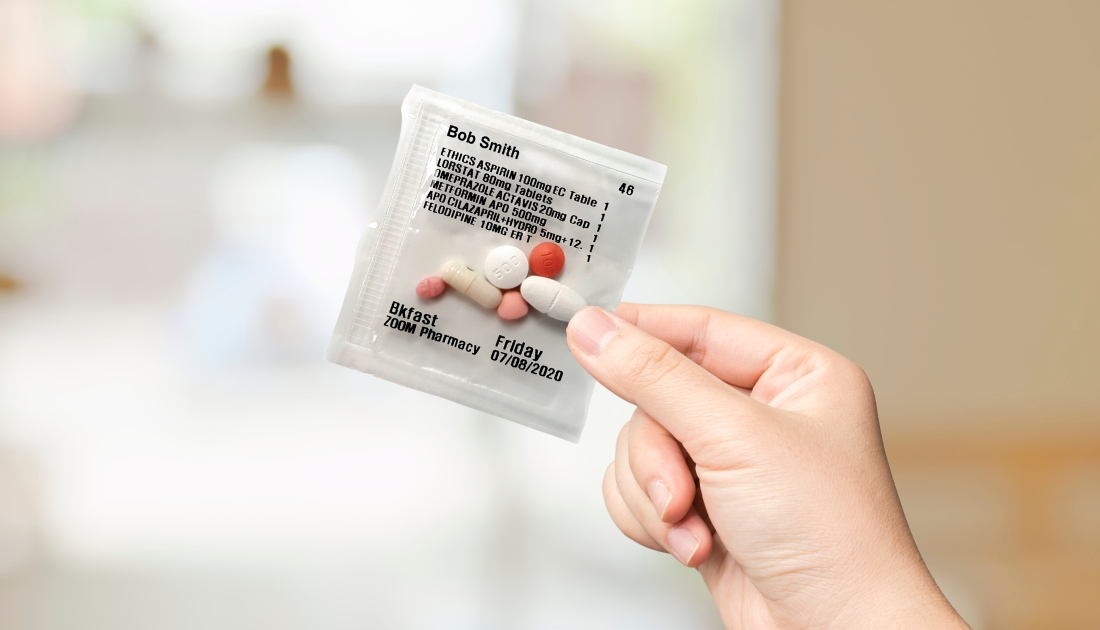
Our service is designed to make managing multiple medicines easy. Our Monthly Medicines Service is free to eligible patients taking three or more regular medicines.



Written by Paul Taylor
Paul Taylor is a New Zealand–based healthcare content writer with 5+ years’ experience creating patient friendly articles for online pharmacies and health platforms. He specialises in accessible condition guides, prescription FAQs, OTC advice, and health & wellbeing tips, translating complex medicines or health condition information into clear, actionable content. Paul collaborates with the ZOOM Pharmacy clinical team and bases every article on authoritative sources, peer reviewed journals and national clinical guidelines to ensure evidence based, up to date content. His goal is to help readers feel empowered to make informed decisions about their medicines and wellbeing. This content is general information only and does not replace professional medical advice.