

Dozens of passengers and crew began disembarking from the MV Hondius in Tenerife on Sunday, after the expedition cruise ship became the centre of an international hantavirus outbreak. With the COVID-19 pandemic still fresh in many people’s memories, the incident has understandably raised concern about whether the virus could spread further.
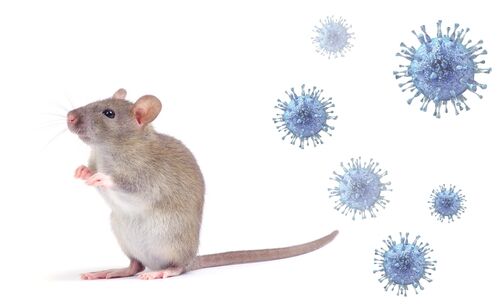
However, hantavirus is very different from COVID-19. It is usually linked to exposure to infected rodents or their droppings, urine or saliva, and most strains do not spread easily between people. In this article, we explain what hantavirus is, how it is transmitted, what symptoms to watch for, and what the outbreak may mean globally and our risk in New Zealand.
A hantavirus is a virus that belongs to the family Hantaviridae, they naturally infect rodents but occasionally can transmit to humans. Viruses or diseases that can spread between animals and humans are called zoonotic diseases.
There are different hantaviruses around the world but infections are relatively uncommon, with a estimates ranging between 10,000 to 100,000 infections per year. Hantavirus can cause two diseases:
Most infections of hantavirus are in Asia and Europe. With the the highest rates of HFRS in East Asia (China, Russia and Korea). The mortality can range from less than 1% of cases to about 15%, with older adults being at higher risk.
HPS, which was first recognised in 1993 after an outbreak in the southwestern United States is a more serious disease. The mortality rate of HPS is reported as up to 50%.
HPS has been reported across parts of North and South America. Countries where HPS has been identified include the United States, Canada, Argentina, Bolivia, Brazil, Chile, Paraguay, Panama and Uruguay.
The World Health Organization (WHO) has reported the stain on the MV Hondius as the Andes strain of HPS/HCPS. This strain which is found in South America, and experts say it was likely contracted when the initial patient visited a rubbish tip outside of Ushuaia, Argentina. They may have been exposed to infected rodents living in the rubbish.
Hantaviruses are zoonotic diseases that are sometimes spread from rodents to humans. Often by contact with infected urine, saliva and faeces of rodents carrying the virus, or in the right environment, airborne particles can be inhaled by someone causing an infection. In rare cases it may also be transmitted through a bite form an infected rodent.
Human-to-human transmission of hantaviruses are rare and only documented for the Andes strain. Where transmission has occurred it has been where people are in close contact for prolonged periods, particularly within households or intimate partners. We know that the first two cases in this outbreak were a married couple.
The symptoms of both haemorrhagic fever with renal syndrome (HFRS) and hantavirus pulmonary syndrome (HPS) usually present between 1 to 4 weeks after transmission.
The initial symptoms for both diseases are flu-like, including but not limited to: headaches, fever, fatigue, muscle aches, diarrhoea, nausea, vomiting, and abdominal pain.
Most patients with HFRS will recover from these flu-like symptoms, however in some patients the disease can cause low blood pressure, internal bleeding, kidney failure and in rare cases, death.
In patients with HPS (like the Andes strain) symptoms will progress after 4 to 10 days from these initial flu-like symptoms. The late symptoms of HPS include coughing, shortness of breath, and tightness of the chest. In severe cases this can rapidly progress to a buildup of fluid in the lungs, respiratory failure, shock and death.
Currently there are no specific treatments, vaccines or antivirals for hantavirus infection. Treatment of patients involves the management of symptoms and supportive care, along with respiratory and cardiac monitoring.
HPS can cause respiratory issues and patients may need breathing support. Early access to intensive care, when appropriate, improves clinical outcomes for patients.
At this stage, the risk to New Zealanders remains low. The World Health Organization has assessed the risk to the global population as low, and the New Zealand Ministry of Health’s latest update is consistent with that advice.
The Ministry of Health provided an update on the 11th May 2026 regarding the risk to New Zealand.
We know that there was one New Zealander who was on the MV Hondius, who is being supported by health authorities.
The Ministry of Health stated that: “New Zealand’s public health services are well positioned to support anyone returning to New Zealand following possible exposure to Hantavirus. This includes the capacity to support a period of quarantine if that is required.”
As we stand today experts have stated this outbreak is limited and being well managed. While there may be some further isolated cases as passengers are monitored, the outbreak is currently being managed through public-health measures, testing, isolation and international coordination. Experts do not expect to see a large-scale outbreak.
Further Reading:

Written by Paul Taylor
Paul Taylor is a New Zealand–based healthcare content writer with 5+ years’ experience creating patient friendly articles for online pharmacies and health platforms. He specialises in accessible condition guides, prescription FAQs, OTC advice, and health & wellbeing tips, translating complex medicines or health condition information into clear, actionable content. Paul collaborates with the ZOOM Pharmacy clinical team and bases every article on authoritative sources, peer reviewed journals and national clinical guidelines to ensure evidence based, up to date content. His goal is to help readers feel empowered to make informed decisions about their medicines and wellbeing. This content is general information only and does not replace professional medical advice.