

It’s always disconcerting when you discover a lump, bump or bulge. As you get older, hernias are worth understanding so you can stay ahead of your health and know your treatment options.
While some hernias are caused by genetic factors, others may be prevented by taking practical steps to reduce your risk of hernia. In this article we look at what ventral and groin hernias are, when hernias become a medical emergency, who is at risk, how to reduce your risk, and what treatment could involve.
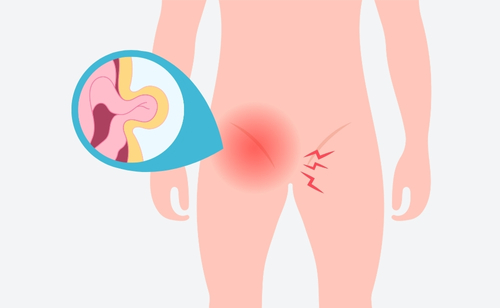
Typically occurring in your abdomen or groin, a hernia occurs when a part of an organ or tissue pushes through a weak spot in the muscle or tissue that contains it. Most hernias involve an organ like the intestines, pushing through the abdominal wall and resulting in a bulge – this is a hernia.
Hernias can affect anyone, even babies are born with them. However, hernias are more common in older people, as our abdominal wall gradually weakens with age and the strain placed on it adds up over your life. Here are some examples of how you put strain on your abdominal wall:
The most common types of hernias are groin and ventral hernias.
Inguinal hernias account for 75% of all hernias, mostly affecting men. They occur when tissue protrudes through a weak spot in your inguinal canal, a passageway that runs down either side of your pelvis. In men it carries the spermatic cord, and in women the round ligament of the uterus.
Not all inguinal hernias have symptoms, but symptoms you may notice include:
A ventral hernia is a hernia that occurs through the front of the abdominal wall. There are a few types:
Not all ventral hernias have symptoms, but symptoms you may notice include:
A strangulated hernia can become a life-threatening medical event if not treated as soon as possible. A strangulated hernia occurs when the blood supply is cut off to the piece of intestine or tissue that is within the hernia bulge.
Without treatment as soon as possible, the intestines or tissue cut off from blood supply will begin to die in as little as four hours. Necrotic tissue can lead to extremely serious and potentially fatal conditions like gangrene or sepsis.
Symptoms of a strangulated hernia can include:
A strangulated hernia must be examined by a doctor as soon as possible. If you have the symptoms of a strangulated hernia you should head to your nearest urgent care (A&E).
Here are some of the risk factors that put you at higher risk of hernias.
There are some practical ways to reduce your risk of hernias. Here are some of the steps you can take:
If you suspect you have a hernia book a physical exam with your healthcare provider. They will be able to diagnose it, determine how serious it is, and recommend next steps. This could be waiting and seeing for small, painless hernia or surgery. Most hernia surgery methods are minimally invasive, and your surgeon will make a decision based on their experience and judgment.
If you are worried about hernias here are some ways our pharmacists can help:
Pharmacists are a great point of contact for personalised advice on reducing your risk of hernia, especially if you take multiple medicines.
Resources:
Havard Health Publishing – The best core exercises for older adults (External Link)
Healthify – Abdominal hernia (External Link)
Cleveland Clinic – Ventral Hernia: What It Is, Symptoms, Types, Treatment & Repair. (External Link)
Cleveland Clinic – Inguinal Hernia: Types, Causes, Symptoms & Treatment. (External Link)
Our service is designed to make managing multiple medicines easy. Our Monthly Medicines Service is free to eligible patients taking three or more regular medicines.





Written by Paul Taylor