

Do you suffer from joint pain? Perhaps you have pain in your knee, hip or hands? Joint pain is a typical symptom of osteoarthritis. Osteoarthritis is one of many different types of arthritis, but the one that is most common.
In this article, ZOOM Lead Pharmacist Din Redzepagic explains the causes of osteoarthritis, its symptoms, how it differs from rheumatoid arthritis, and details the over-the-counter and prescription osteoarthritis treatments available in New Zealand.

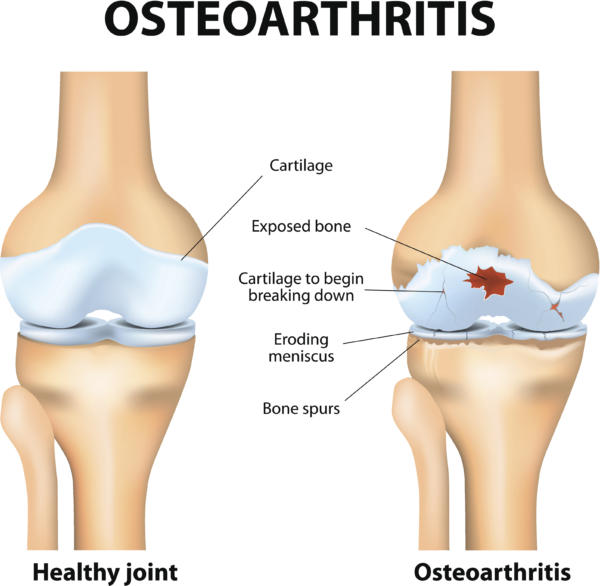
Osteoarthritis occurs when the cartilage which protects the end of the bones in our joints is gradually worn away and damaged or broken down.
The bone ends may also lose shape and thicken, creating bony spurs. The tissues that attach muscle to bone and hold the joint together can also be affected. In more severe cases, osteoarthritis can lead to bone rubbing on bone in the joint. Many factors may contribute to causing osteoarthritis.
Osteoarthritis may be caused by repeated use of the joint due to ageing. Whilst it can occur in younger people, the risk of osteoarthritis increases with age. Around 1 in 4 New Zealanders aged 55 and over have it.
Osteoarthritis can also be caused by a joint injury – such as a sporting injury – or by hard repetitive activity as in certain jobs such as labouring or professional dancing and sports.
Other risk factors for osteoarthritis include:
Rheumatoid arthritis is the second most common form of arthritis. It differs from osteoarthritis as it is an auto-immune disease. This means that the body’s own immune system attacks the joint lining causing inflammation and damage to the joint and bone.
Therefore, whilst some of the symptoms are similar and some of the drugs used to treat osteoarthritis may be prescribed for rheumatoid arthritis, in general the treatment of rheumatoid arthritis is different.
The most common symptoms of osteoarthritis felt in and around one or more joints – usually the hands, hips, knees, spine, or ankles – are:
If you have these symptoms and they persist or worry you, please see your doctor. Your doctor will be able to diagnose whether your symptoms are caused by osteoarthritis, another type of arthritis, or a different condition.
Medications for the treatment of osteoarthritis primarily help you to manage your pain. They might slow down its progress, however they don’t cure osteoarthritis or repair damage to the cartilage or bone.
The specific medication your doctor recommends will depend on how severe your pain is, and which joints are affected. Your doctor will ask you to try milder pain relievers first to reduce the chances of negative side effects.
Osteoarthritis medications currently available in New Zealand include:
If your osteoarthritis pain isn’t controlled well by these medications, your doctor might prescribe pain killers which include mild opioids such as codeine or tramadol.
Whilst some arthritis medications are available over the counter, you should always consult your doctor or pharmacist before taking them. They will consider your individual situation and other medicines you are taking to ensure you are not at risk of serious side effects.
Whilst medicines can be helpful in managing pain – there are many other things you can do to help manage your osteoarthritis.
Exercise is probably the best. Appropriate exercise can reduce pain and inflammation and strengthen muscles around the joint. Exercises to Keep you Moving from Arthritis NZ can help guide you.
Other treatments include:
Arthritis NZ is an excellent source of further information. Or ask your doctor for a green prescription.
References (accessed May 2021)
Our service is designed to make managing multiple medicines easy. Our Monthly Medicines Service is free to eligible patients taking three or more regular medicines.







Written by Paul Taylor
Paul Taylor is a New Zealand–based healthcare content writer with 5+ years’ experience creating patient friendly articles for online pharmacies and health platforms. He specialises in accessible condition guides, prescription FAQs, OTC advice, and health & wellbeing tips, translating complex medicines or health condition information into clear, actionable content. Paul collaborates with the ZOOM Pharmacy clinical team and bases every article on authoritative sources, peer reviewed journals and national clinical guidelines to ensure evidence based, up to date content. His goal is to help readers feel empowered to make informed decisions about their medicines and wellbeing. This content is general information only and does not replace professional medical advice.