
How to Store Medicines Safely in Summer Heat: Insulin, Inhalers, EpiPens & More

Did you know that hot temperatures can affect how well some medicines work, and even seriously damage them putting you at risk? Things are already heating up in New Zealand; we’ve just had our hottest spring on record according to Earth Sciences New Zealand. So, our pharmacy team think it’s a great time to go over how to avoid heat-related issues with your medicines this summer.

Store Medicines Safely in Summer Heat

Key Facts on Heat Sensitive Medicines and Safe Storage

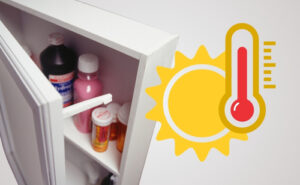
It is important to be mindful of how heat affects medicines this summer. Most medicines are stable at temperatures below 25°C, however exposure to high heat, and direct sunlight can create issues that can compromise the effectiveness of your medicine.


Key rule: By always following the storage instructions on the label or consumer medicines information leaflet you can prevent most heat related issues.

Why is heat a problem for medicines?

If medicines are exposed to heat above a certain temperature the following problems may arise:

  • Heat can reduce the effectiveness of your medicine by breaking down the active ingredient.
  • Heat may change how a medicine behaves (especially liquids, patches and injectors).
  • Devices can be damaged by heat, causing malfunctions or failures (e.g., inhalers or injectors).
  • Heat damage can affect how much of a medicine your body absorbs.

What are some common summer medicine storage mistakes?

The risk for this heat damage occurring is much higher in summer, especially as temperatures can rise quickly, and very quickly damage your medicines.

  • Storing your medicines in the car temporarily. Not only can your car heat up fast, but it can also get incredibly hot.
  • Keeping medicines on a windowsill or in a place that gets direct sunlight. Consider if where you are leaving your medicines gets direct sunlight at any point during the day.
  • Storing medicines in your bathroom. It might make sense in theory, but your bathroom can be hot, steamy, and humid. All bad conditions for medicines.

What medicines are sensitive to heat?

While most medicines are stable at temperatures below 25°C, many are also at risk of deterioration with exposure to temperatures above this. There are some medicines that are very susceptible to high heat.

Insulin and other diabetes medication

The storage requirements for insulin are well known to those who take it.

  • Unopened insulin is commonly stored in the fridge (not the freezer).
  • At temperatures above 30°C insulin is at high risk of degradation.
  • If exposed to high heat, insulin may become less reliable.


Summer Tips:

  • Use a cool bag or insulated pouch when transporting your medication.
  • If using cool/ice packs, avoid direct contact with the medicine.
  • Don’t leave insulin in a parked car for even short periods, if possible.
  • If your medicine isn’t as effective it may have overheated, contact your pharmacist or HCP.

Fridge Medicines

There are a range of medicines that must be refrigerated, these typically state “store in a refrigerator” or similar on the label.

  • These medicines should be stored in a fridge at a temperature advised by the manufacturer or consumer information leaflet.
  • As with insulin, these medicines can be stored in insulated storage while travelling.
  • Always read the medicine packaging and consumer information to understand how long your medicine is stable at certain temperatures.

Adrenaline (epinephrine) auto-injectors (e.g., EpiPen)

When you need to use an EpiPen it needs to work, so making sure it’s being stored correctly is important.

  • Keep in a cool, dark place at room temperature (typically 15–25°C).
  • Storing in a fridge can damage the injector mechanism and shouldn’t be done.
  • An insulated wallet can help keep the medicine cool while travelling.
  • Watch for discoloured or cloudy solution and always check expiry dates.

Inhalers

Some inhalers utilise a pressurised cannister to deliver a dose of medication. These medicines must not be stored in high temperatures and direct sunlight.

  • Avoid leaving pressurised cannisters in cars and/or in the direct sun, e.g., on a dashboard.
  • Keep the inhaler in a shaded bag when outdoors.
  • If your inhaler has been exposed to extreme heat, ask your pharmacist.
  • WARNING: In extreme cases, pressurised cannister inhalers have the potential to burst or explode.

Best-practices for storing your medicines this summer

  • Always read storage labels, packaging, and consumer information carefully for temperature ranges and handling precautions.
  • Store refrigerated medicines in a fridge at an appropriate temperature, not freezer.
  • Store most medicines in a cool, dry place away from heat and direct sunlight.
  • Avoid bathrooms, kitchens, and sunny windowsills.
  • Keep medicines in original packaging with instructions.

When travelling

  • Use an insulated pouch, and if required use cool packs.
  • Don’t leave medicines in parked cars on hot days.
  • Keep medicines out of direct sun, even if they are in a bag.

The signs of heat damage and what to do?

Exposure to high temperatures can affect your medicines quality. Signs of heat damage may include changes in colour or consistency, crystallisation or cloudiness, and smells or odours.

If you suspect your medicine has been stored outside recommended conditions, or appears to have signs of damage you should do the following:

  • Check your label, leaflet or packaging for storage requirements, the exposure might be within appropriate ranges.
  • Speak to your pharmacist before continuing, replacing or discarding medicines.

Quick FAQs

Do all medcines need to be stored below 25°C?

You will find that many medicines state their medicines need to be stored below 25°C, the best source of information for what temperature a medicine should is according to the manufacturer’s instructions and/or pharmacists’ direction.


Should I put my medicines in the fridge during summer?

Only if the label says so. Medsafe advises that some medicines must be refrigerated (and this will be stated), but don’t store medicines in the fridge unless told to, and don’t freeze them.


Can heat make my inhaler unsafe?

Pressurised inhalers can be affected by very high temperatures, and in some cases there is a risk they could burst. Follow the storage instructions.

Resources:

0