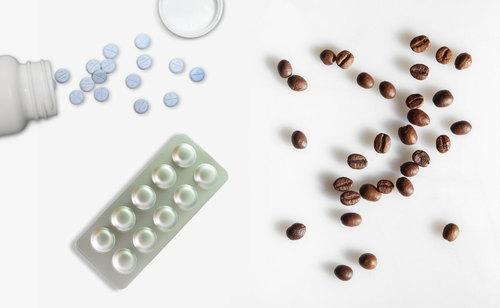
Did you know thatcaffeine in coffee can interact with medicines? Here in New Zealand, we love our coffee. In fact, our consumption of coffee per capita is one of the highest in the world. So, you might be wondering if this part of your morning routine affects how your medicines work?
In this article we identify medicines that can interact with caffeine, identify the risks to you, and some practical ways you can reduce your chance of interactions.
Key Takeaways
Caffeine can affect medications in multiple ways, including reducing absorption.
Some interactions cause more medicine side effects, while others can reduce medicine effectiveness.
Caffeine is not just found in coffee, it also can be found in tea, energy drinks, fizzy drinks, energy bars, kombucha, and ice cream.
One way to reduce your risk is to take most medicines with water and wait 30 to 60 minutes before drinking coffee (unless your pharmacist says otherwise).
What medicines can interact with caffeine?
Thyroid Medicines
Thyroid medications like levothyroxine are taken to balance hormones. Caffeine can significantly reduce absorption by more than half. It is recommended to take levothyroxine on an empty stomach, first thing in the morning. You should wait 30 to 60 minutes before having any food, medicines, or hot drinks (like coffee).
Osteoporosis Medicines
Oral bisphosphonates like Alendronate (Fosamax) is used to treat bone disease such as osteoporosis and Paget’s disease. These medicines are sensitive to food and drink including coffee/caffeine, which can reduce absorption by as much as 60%. Fosamax should be taken on an empty stomach with a full glass of water only. Ask your pharmacist about how to take alendronate.
Antidepressants
Medications taken to treat depression are known to be affected by caffeine. Large amounts of caffeine can decrease the absorption of some antidepressants. Other antidepressants are broken down by the same enzyme as coffee, meaning they will stay in the body for longer, while increasing side effects like restlessness and jitters. Speak to your pharmacist about your medicine, timing or caffeine limits.
Antipsychotic medicines
Antipsychotic medicines or Neuroleptics are medicines used to treat mental health conditions such as schizophrenia and bipolar disorder, or in some cases of anxiety or depression. Caffeine can make your body absorb less of these medicines and raise the risk of side effects.
Cold & Allergy Medications
Some cold and flu medications, particularly decongestants (e.g., pseudoephedrine) have stimulant effects. Therefore, combining caffeine with these medications can cause increase side effects like restlessness, jitteriness, and trouble sleeping.
Blood Pressure Medicines
Caffeine can raise your heart rate and blood pressure in the short term, and drinking coffee (or caffeinated drink) at the same time as taking your medicines can reduce the amount of medication absorbed. This means you may not get the full benefit.
Supplements
In addition to affecting some medicines caffeine may also prevent you from absorbing certain supplements, vitamins and minerals. For example, the absorption of iron, vitamin C and B vitamin supplements may be affected by caffeine.
Wrapping up
Drinking coffee or other caffeinated beverages in moderation is very unlikely to cause harm. For most healthy adults, consuming up to 400mg of caffeine per day (approx. four cups of coffee) is considered safe.
However, there are medicines that caffeine can interact with, causing side effects or reducing their absorption or effectiveness. A good practice to follow is to always follow the instructions for taking medicines and wait 30 to 60 minutes later before drinking coffee.
If you are worried that there is a medicine interaction between your medicine and caffeine, contact ZOOM Pharmacy and one of our pharmacists further information about how to get the most out of your medicines.